

Emotional dependency:
A few months ago, I led a training session at a large psychiatric hospital in France. During the introductions, I asked participants which difficulties or illnesses affected most of the patients in their services. One answer surprised me: they estimated that 30% of the people hospitalised in their services were experiencing what they called “conjugopathy”. They used this term to describe a couple relationship that was making someone unwell. These unhealthy emotional relationships were thought to contribute to, maintain or aggravate existing or latent difficulties among the people receiving care. I was particularly struck by their estimate of 30%. This was a report from that training discussion, rather than a general population statistic.
In this short interview conducted by psychiatrist Charly Cungi, psychologist Sophie Nicole explains how cognitive behavioural therapy can help people experiencing emotional dependency.
Read the extract from Faire face aux dépendances (PDF, in French) an extract from a book on dependency written by these two professionals (in French).
The French interview and book extract above are retained as the original source discussed in this short article. The following resources provide complementary English-language material. You can also explore the related pages on cognitive behavioural therapy (CBT), self-esteem and assertiveness.
English-language reading and video
Katie Hood, “The difference between healthy and unhealthy love”, TED (2019). An introduction to recognising harmful relationship patterns and practising respect and healthy boundaries.
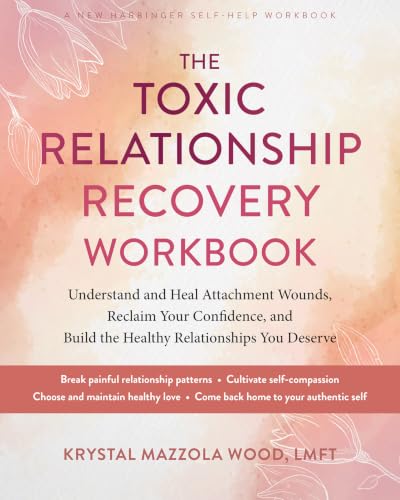 Get the bookBook preview
Krystal Mazzola Wood. New Harbinger, March 2026.
Exercises on attachment patterns, self-worth and boundaries after a harmful intimate relationship. The term “toxic” describes relationship patterns here, rather than a diagnosis of another person.
Publisher and contents