

What is a panic attack?
Many people describe episodes of intense anxiety. Although very distressing, these episodes do not always lead someone to consult a psychologist. Sometimes the first person consulted is a general practitioner, who may refer them for psychological support.
Psychologists refer to these episodes as panic attacks. The DSM-5 (French-language overview) distinguishes a panic attack from panic disorder. A panic attack is an episode of symptoms; recurrent attacks accompanied by persistent worry or changes in behaviour may form part of a panic disorder. Panic disorder belongs to the anxiety disorders.
Signs of a panic attack
Panic attacks can involve intense distress and fears of dying, having a heart attack or a stroke. Unpleasant physical sensations may include sweating, a racing heart, trembling, tingling in the limbs, breathlessness, dizziness and feeling faint. Some people first receive a diagnosis after being assessed in an emergency department because their symptoms initially suggested a physical health problem.
An attack may occur in a particular context, such as a feared situation, or appear unexpectedly. After the first attacks, or as they become more intense, a person may begin to fear the next one and closely monitor their bodily sensations. This hypervigilance can increase stress and anxiety, helping to maintain a vicious circle in which further attacks become more likely. New or unusual physical symptoms should not simply be assumed to be panic without appropriate medical assessment.
Why take part in a workshop?
In this workshop, I explain the conditions that can contribute to panic attacks, including the role of everyday habits. We then work on identifying their physical and psychological signs so that you can respond without feeding the cycle. Finally, I introduce a strategy for managing an attack when it occurs. The aim is to help you gradually feel more confident and better able to manage these episodes.
Send me a message if you are interested in taking part in a workshop.Books and video resources
ADAA and McLean Hospital: an English-language introduction to anxiety and its relationship to everyday functioning.
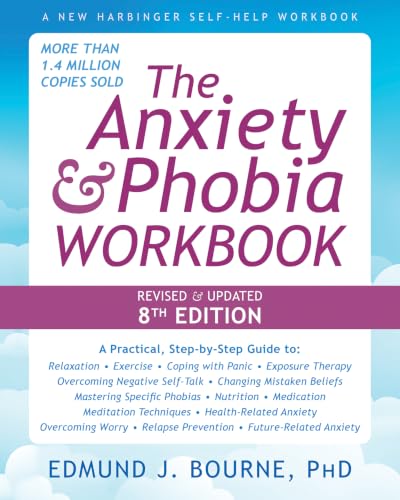 Get the bookBook preview
Edmund J. Bourne. New Harbinger, July 2025.
An established workbook, updated in 2025, with material on panic, avoidance, exposure and coping with anxious thoughts.
Publisher and contents
Dave Carbonell, “Panic Attacks: What Are the Symptoms and What Are Helpful Ways of Addressing Them?”, ADAA recorded webinar, June 2021.