

A pattern of personality difficulties
The terms “psychopath” and “sociopath” are used to describe particular patterns of personality difficulties. A personality pattern becomes problematic when some characteristics are overly pronounced and inflexible, making it harder to adapt to situations. Aggression, limited consideration for others and impulsivity, for example, can cause considerable harm to other people. Someone with these traits may recognise that their behaviour violates social or moral rules without experiencing the same guilt or concern as others. Some authors have reported high rates of antisocial or psychopathic traits in prison populations. Figures depend on the definitions and populations studied; antisocial personality and psychopathy should not simply be treated as interchangeable labels. Childhood adversity or emotional deprivation may form part of a person’s history, but neither alone determines their later personality.
Commonly described antisocial personality traits
- Repeatedly breaking rules or the law
- Manipulating others for personal advantage
- Impulsivity
- Aggressiveness
- Taking reckless risks with one’s own or other people’s safety
- Irresponsibility at work or in family life
- Limited guilt or remorse
- A reduced response to stress in some descriptions of psychopathic traits
- “Cold”, or cognitive, empathy: understanding how another person thinks or feels
- Reduced “warm”, or emotional, empathy: sharing or responding emotionally to another person’s feelings and distress
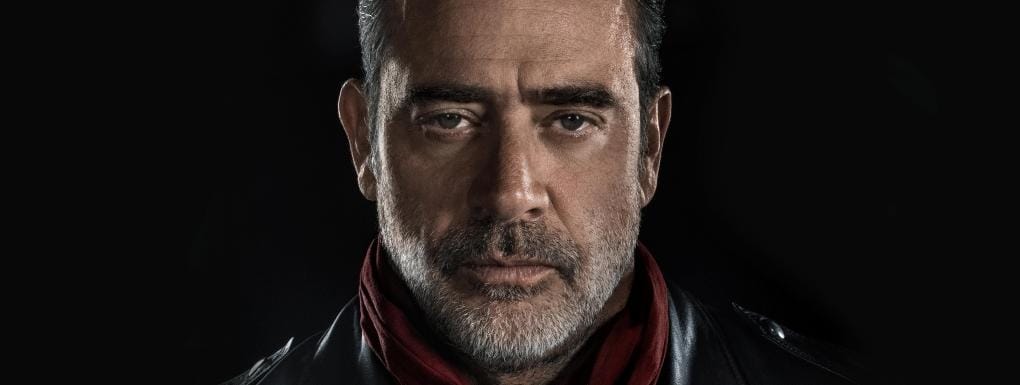
Does having psychopathic traits mean someone is a violent criminal?
No. In clinical psychology and psychiatry, difficulties often involve degrees of traits that also exist more widely. Someone may show some psychopathic traits without fitting a complete clinical picture. They may function in everyday life, conceal certain behaviours when it suits them, or use manipulation to advance their interests. Psychologist Kevin Dutton has proposed lists of occupations in which such traits may be more or less represented. These lists are not a way to diagnose an individual and should not be taken to mean that members of a profession have a personality disorder.
Occupations highlighted in Dutton’s discussion of psychopathic traits
- Business leaders
- Politicians
- Lawyers
- Television or radio presenters
- Surgeons
- Salespeople
- Journalists
- Police officers
- …
Occupations described as having fewer such traits
- Social workers
- Care professionals
- Volunteers
- Teachers
- Artists
- …
As with other personality patterns, there is a wide range of presentations. Manipulative behaviour in everyday life and the extreme violence portrayed by a fictional character such as Negan should not be confused with one another.
Clinical case: Uday Hussein
A historical illustration for discussion. This article about Uday Hussein, Saddam Hussein’s son, describes reported violence, coercion and abuse of power, particularly in Iraqi sport. It offers a historical example for discussing extreme antisocial and sadistic behaviour.
Read “The Story of Saddam Hussein’s Psychopath Son” (Medium)
This historical portrait is not a formal clinical assessment.
Reference reading and current debate
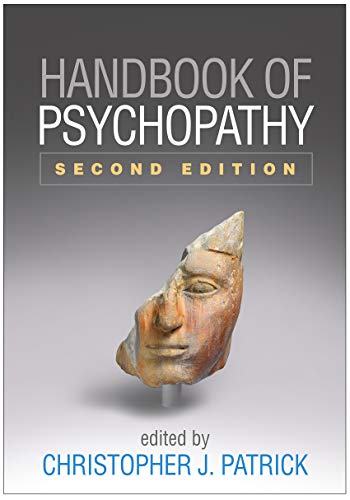 Get the bookBook preview
Edited by Christopher J. Patrick. Guilford Press, 2018; paperback 2019.
A professional reference covering theoretical models, assessment, developmental pathways, and clinical and forensic applications.
Publisher and contents
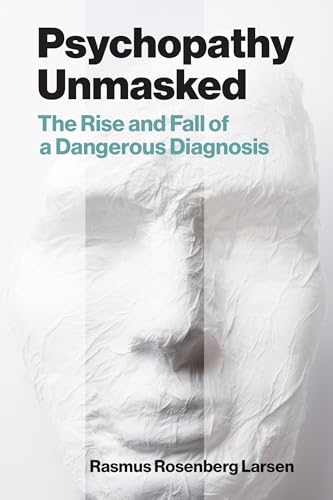 Get the bookBook preview
Rasmus Rosenberg Larsen. MIT Press, June 2025.
A critical examination of the scientific foundations and judicial uses of psychopathy assessments. Read alongside established clinical models to understand the ongoing debate.
Publisher and book presentation
Rasmus Rosenberg Larsen, Forensic Talks, episode 113, “Psychopathy Unmasked”, 1 October 2026. This interview presents his critical position; it is one contribution to a continuing scientific debate, not a tool for diagnosing people from a distance.