

Psychedelic-assisted psychotherapy
Psychedelic-assisted psychotherapy involves the use of psychoactive drugs whose consumption is prohibited or tightly regulated in most countries. These include substances such as LSD, psilocybin, mescaline, peyote, ketamine, DMT, MDMA or ecstasy (which is in fact an amphetamine), ayahuasca, iboga and many others. The term psychedelic was coined by Dr Humphry Osmond in 1956 and means “revealing the soul”.
For the general public, these substances are associated with drug misuse, dependency, trafficking and marginalisation. Yet psychedelics are natural substances that some peoples have used for thousands of years for healing, including ayahuasca, psilocybin and peyote in South and Central America, and iboga in Africa…
When used in a controlled setting [4], these same molecules can also help us treat conditions that remain difficult to manage, such as certain forms of depression, some forms of addiction, severe anxiety or certain psychological traumas… When these substances are used by experienced practitioners within an appropriate and specific therapeutic framework [4], they can prove more effective than most conventional treatments.
The discovery of LSD and its therapeutic uses
LSD was synthesised in 1938 by Albert Hofmann at Sandoz, which would later become Novartis. In 1938, LSD attracted little attention from its discoverers. It was not until 1943 that Hofmann tried the molecule on himself, feeling that he had not “given it a chance”… He discovered that it had a very particular effect on consciousness and perception, prompting research into possible therapeutic uses for LSD.
As early as the 1950s, psychiatrists realised that LSD was effective in treating alcoholism [1]. Doctors Osmond and Hoffer observed that patients treated with LSD for alcoholism reported a lasting sense of transcendence, deep inner peace and profound harmony with the world. The substance led them into deep philosophical and religious reflection. They became more spiritual, more empathetic and more aware of other people and their feelings.
Psychedelic-assisted psychotherapy, or psycholytic LSD therapy
Following this, clinicians such as Dr Sydney Cohen, psychologist Betty Eisner and Dr Oscar Janiger (Cary Grant’s psychiatrist) found that low doses of LSD (25 to 150 micrograms) facilitated psychotherapy by allowing a form of surrender of the ego and of certain defence mechanisms that usually obstruct speech and insight. Patients found it much easier to discuss difficult or previously inaccessible subjects. A review published in 1967, evaluating psychotherapy conducted between 1953 and 1965, reported success rates of 70% for anxiety, 62% for depression and 42% for obsessive-compulsive disorder [2].
Psychedelic-assisted psychotherapy goes far beyond relieving symptoms
From the late 1950s, LSD began to acquire a cult following in the United States, while already blurring familiar boundaries. Beyond its psychotherapeutic effects, LSD opened people to spirituality, revealing an entire dimension of reality that they had never considered before taking it… LSD thus brought God and the notion of transcendence into therapists’ consulting rooms and psychiatric services, sometimes with explosive results… Many therapists felt uncomfortable discussing these subjects. Then many people experimented with these substances on their own, without any particular framework [3]. These are not recreational substances, and anyone who consumes them in this way exposes themselves to risks (falls, bad trips, meaning intense anxiety, psychotic decompensation or severe anxiety in predisposed individuals…). Recreational use also diverts substances that should be associated with a particular framework and specific rituals. The problems therefore began when these substances escaped the hands of clinicians and researchers. The complications arose from inappropriate use, rather than from the substance itself. We are still paying the price today, with substances wrongly classified as narcotics and therefore prohibited… Albert Hofmann said, “… through incorrect and improper use, LSD became my problem child” (Albert Hofmann, LSD: My Problem Child, 2003).
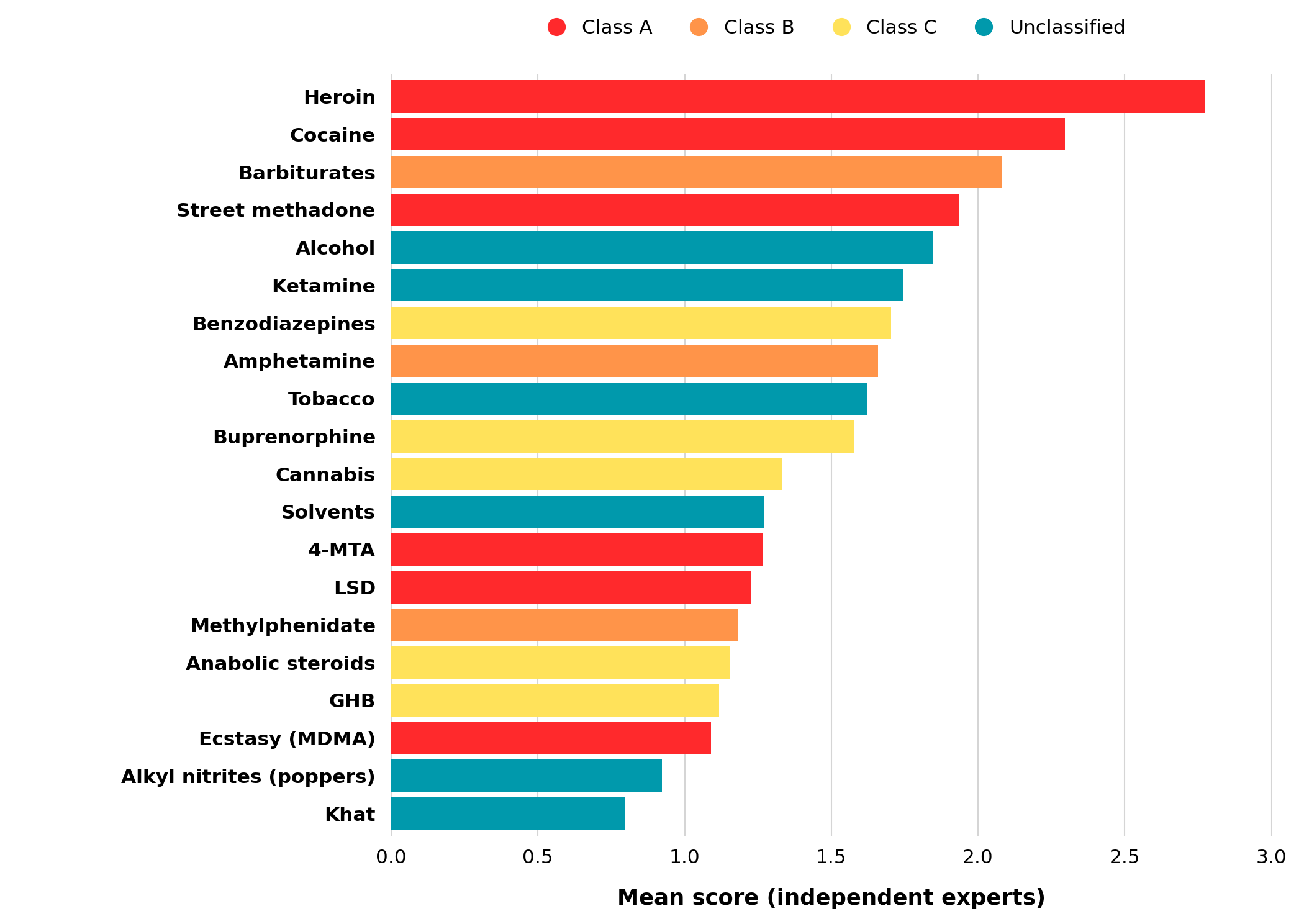
Historical drug harm ranking, redrawn in English from the independent expert mean scores underlying Nutt et al. (2007), The Lancet, 369, 1047–1053. Colours show the UK legal classes at the time of the assessment. Study reference.
You can find further information about drug-related harms here.
Timothy Leary’s role
Uncontrolled, recreational LSD use became part of the protest movements and counterculture of American youth in the 1960s. Timothy Leary, a young psychology professor at Harvard, advocated the widespread use of psychedelics. Had Leary been allowed to have his way, he would have put LSD in the tap water!
For the establishment of the time, Leary’s public image was associated with LSD, and attacking the substance meant discrediting Leary. He wanted to run against Ronald Reagan for governor of California in the 1969 election. Leary was a friend to everyone in the left-wing circles associated with the American counterculture. John Lennon, for example, wrote a song for his aborted 1969 campaign (“Come Together” by the Beatles)…
We should not be naïve: the demonisation of LSD was a weapon used by Richard Nixon and the American conservative right, among other things to eliminate the political opponent Leary had become… Nixon could be described as the chemically pure antagonist of psychedelics… This kind of political baseness, combined with Leary’s recklessness, has discredited the use of psychedelics right up to the present day!
How psychedelics differ from other prohibited drugs
Unlike most other drugs, psychedelics do not cause addiction. If you take them several days in a row, tolerance develops very quickly and the substance no longer has an effect.
Unlike other drugs such as heroin, psychedelics cannot cause death by overdose.
Unlike other drugs in general (heroin, cocaine, tobacco, alcohol…), psychedelics do not damage health.
Unlike other drugs in general, the user does not lose consciousness. On the contrary, if the psychedelic is used within a properly conducted framework of psychotherapy or personal development, the user may experience an increase or expansion of consciousness. This can encourage insight, giving the person a better understanding of their behaviour and potentially initiating changes in attitude.
Psychedelics are not intrinsically linked to crime in the way that heroin, cocaine, crack and, to a lesser extent, cannabis are, because they do not lead to addiction or the trafficking associated with dependency.
Psychedelics are anti-inflammatory substances and act in this way on the brain by crossing the blood-brain barrier.
Poorly named and poorly understood substances
Albert Camus said that misnaming things adds to the unhappiness of the world. The term “hallucinogenic drug” does not reflect reality or clinical observations. These substances should instead be described as visionary (producing visions that are sometimes true, sometimes false and often symbolic), entactogenic (facilitating contact) or entheogenic (facilitating access to a form of transcendence that some call God and others creation…). The notion of a hallucinogen refers to a psychiatric symptom and a materialist view of reality. It does not faithfully reflect what people describe when they use the substance in an appropriate setting.
The term hallucinogen is misleading because, when these substances are used in a specific environment [4], the visions produced differ from hallucinations and depend greatly on the setting in which the substances are taken. These visions can be therapeutic, which is never the case with a hallucination, which generally causes distress and isolates the person from reality and their community. Psychedelics, by contrast, when used correctly, reduce anxiety and can offer a new, liberating sense of meaning concerning certain trials in life. For example, they can be very useful in preventing suicide and repeated suicidal crises. Conversely, a psychiatric symptom such as a hallucination is never soothing, which is why the term hallucinogen is inappropriate and misleading.
In conclusion, LSD and other psychedelics are unusual substances with established therapeutic benefits when used in the right setting with the right people. They tend to bring us face to face with ourselves, allowing us to see life and its obstacles in new ways while also reflecting the environment in which they are taken. This is a mysterious phenomenon: aspirin or an antibiotic will have the same effect at the top of the Eiffel Tower, in the middle of a field or in the dark with music, whereas psychedelics will not… Finally, the prohibition surrounding them is outdated and dangerous. It creates problems, notably by encouraging the consumption of uncontrolled substances that can cause health problems through incorrect dosing or added ingredients. This scandalous prohibition prevents citizens from accessing psychiatric and psychotherapeutic treatments that could reduce or eliminate their psychological suffering.
These substances should never have left consulting rooms and research laboratories. The authorities must now take responsibility by encouraging research teams to undertake phase 3 and 4 clinical trials (with public funding, as these molecules are in the public domain) into the treatment of depression, suicidal crises, addictions (alcohol, tobacco, cannabis, cocaine, opioids, other synthetic drugs, eating disorders and behavioural addictions) and anxiety disorders (OCD, PTSD, anxiety at the end of life and in people with cancer…). It is time to rehabilitate these substances, make them available to patients again and offer safe, effective psychedelic-assisted psychotherapy.
NEWS: Good news: our Swiss friends can safely undergo psychedelic-assisted psychotherapy sessions at Geneva University Hospitals. I would like to thank in advance anyone who has benefited from these sessions and is willing to share their experience further down this page.
In Australia, specifically authorised psychiatrists can access MDMA for PTSD and psilocybin for treatment-resistant depression under controlled protocols. These products remain unapproved medicines. Current TGA patient information.
Research, risks and informed consent
Johns Hopkins Medicine and Osmosis: “Psychedelic Risks, Side Effects, and Potential Harms” (2024). The accompanying Johns Hopkins research update (2025) discusses informed consent and adverse-event monitoring. Findings from screened participants in controlled clinical studies cannot simply be generalised to other settings.
Historical perspective
Rick Doblin’s TED talk is retained as an earlier perspective on the field, rather than a statement of current regulatory approval.
Bibliography in English
 Get the bookBook preview
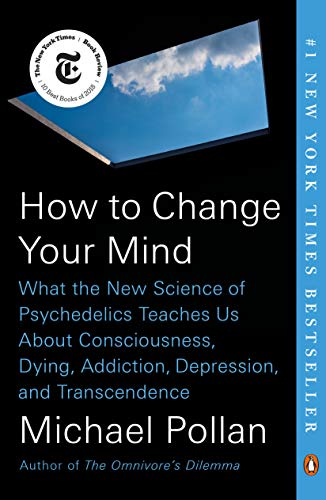
Michael Pollan. Penguin Books, paperback edition, 2019.
The original English-language work corresponding to the French translation previously listed here: science, history and personal reporting, rather than a clinical protocol.
Publisher and English edition
 Get the bookBook preview
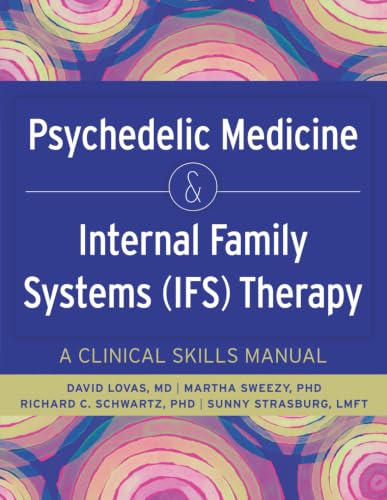
David Lovas, Martha Sweezy, Richard C. Schwartz and Sunny Strasburg. PESI Publishing, May 2026.
A professional manual focused specifically on integrating an IFS framework with preparation, treatment and integration; it does not establish efficacy for every condition or regulatory permission to practise.
Publisher and contents
Research organisations and original notes
 Johns Hopkins Center for Psychedelic and Consciousness Research
 MAPS
[1] As early as 1953, Osmond and Hoffer observed that at least 50% of their patients at Weyburn Hospital remained sober for at least several months after taking LSD.
[2] Grinspoon & Bakalar, Psychedelic Drugs Reconsidered, p. 208, 1997.
[3], [4] The well-known expression “set and setting” refers to the person’s mindset and the environment in which they take the substance.